
Why Cement Quality Is Critical for Safe Structural Design
17.03.2026
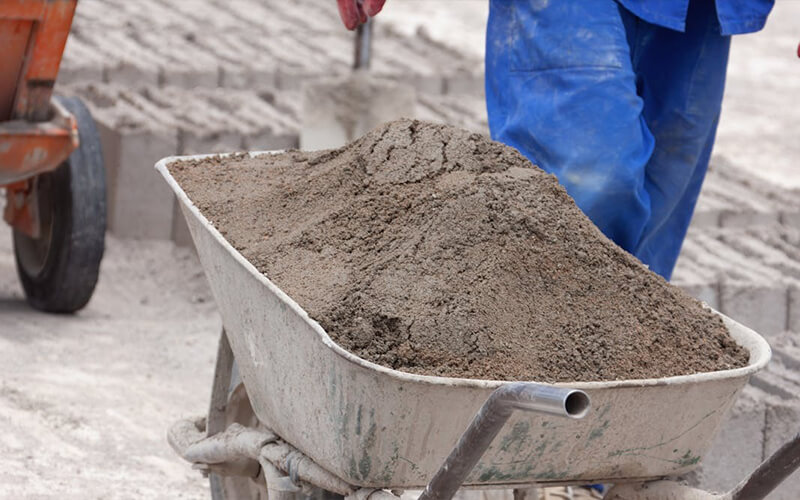
In the world of construction, safety is the foundation of every successful project. Whether it is a residential building, commercial complex, or industrial facility, structural design must ensure that the building can withstand various loads and environmental conditions over time. One of the most essential materials that directly influences this safety is cement. The quality of cement used in construction plays a decisive role in determining the strength, durability, and overall performance of a structure.
While design calculations and engineering expertise are critical, the actual performance of a structure depends heavily on the materials used. High-quality cement ensures that the theoretical design translates into real-world strength and stability. On the other hand, poor-quality cement can undermine even the most well-planned designs, leading to serious safety risks. In this article, we will explore why cement quality is indispensable for safe structural design and how it affects different aspects of construction.
The Foundation of Structural Strength
Cement acts as the binding material that holds all components of concrete together. Its quality directly affects the compressive strength of concrete, which is essential for supporting structural loads. High-quality cement provides a मजबूत and stable matrix that can safely تحمل the loads imposed on a structure.
When low-quality cement is used, the resulting concrete may not achieve the required strength levels. This can lead to ضعف in critical structural elements such as columns, beams, and slabs, increasing the risk of failure under load conditions.
Ensuring Load-Bearing Reliability
Safe structural design depends on accurate load calculations and reliable material performance. Cement quality plays a key role in ensuring that the structure can consistently تحمل both dead loads and live loads. High-quality cement contributes to predictable and uniform strength development, which is crucial for maintaining structural stability.
Inconsistent or substandard cement can lead to uneven strength distribution within the structure. This unpredictability can compromise safety, especially in load-bearing elements that are critical to the building’s integrity.
Durability Against Environmental Factors
Structures are constantly exposed to environmental conditions such as moisture, temperature changes, and chemical exposure. High-quality cement enhances the durability of concrete by reducing permeability and مقاومة against external عوامل. This ensures that the structure remains strong and safe over time.
Poor-quality cement, on the other hand, may allow water and harmful substances to penetrate the concrete. This can lead to corrosion of reinforcement, cracking, and gradual deterioration, all of which reduce the structural safety.
Resistance to Cracking and Structural Failure
Cracks are one of the most common causes of structural issues. Cement quality has a direct impact on the مقاومت of concrete to cracking caused by shrinkage, thermal changes, and external loads. High-quality cement minimizes the formation of cracks, ensuring better load distribution and structural integrity.
Low-quality cement increases the likelihood of microcracks, which can expand over time and weaken the structure. These cracks not only reduce strength but also create pathways for moisture and chemicals to enter, accelerating damage.
Bonding Strength and Material Cohesion
The ability of cement to bond aggregates and reinforcement together is essential for structural performance. High-quality cement ensures strong adhesion, resulting in a cohesive and dense concrete structure. This improves the overall ability of the structure to تحمل various forces.
Weak bonding due to inferior cement creates internal voids and reduces cohesion. This leads to localized weaknesses that can fail under stress, compromising the safety of the entire structure.
Workability and Construction Quality
Cement quality also influences the workability of concrete, which affects how easily it can be mixed, placed, and compacted. High-quality cement provides better consistency, allowing for proper placement and reducing the risk of defects such as air pockets and segregation.
When workability is poor, it becomes difficult to achieve uniform compaction. This results in weak zones within the structure that reduce load-bearing capacity and increase the likelihood of failure.
Compliance with Design Standards
Structural design is based on established engineering standards and safety codes. High-quality cement ensures that these standards are met in practice. Manufacturers who follow strict quality control processes produce cement that complies with international specifications, providing confidence in its performance.
Using uncertified or low-quality cement can lead to non-compliance with design requirements. This not only poses safety risks but can also result in legal and financial consequences for project stakeholders.
Long-Term Structural Performance
Safe structural design is not just about immediate performance but also about long-term reliability. High-quality cement maintains its strength and durability over time, ensuring that the structure continues to perform as intended throughout its lifespan.
Structures built with poor-quality cement may experience gradual degradation, reducing their load-bearing capacity and requiring costly repairs or reinforcement. This highlights the importance of investing in quality materials from the beginning.
Economic and Safety Implications
While high-quality cement may have a slightly higher initial cost, it provides significant long-term savings by reducing maintenance, repair, and failure risks. More importantly, it ensures the safety of occupants and users, which is the ultimate goal of any structural design.
Choosing low-cost, low-quality cement may seem economical in the short term, but it can lead to expensive consequences in the future. Structural failures, repairs, and safety hazards can far outweigh any initial savings.
Conclusion
Cement quality is a critical factor that underpins every aspect of safe structural design. From strength and durability to bonding and crack resistance, it directly influences how well a structure performs under various conditions.
By prioritizing high-quality cement, engineers and builders can ensure that their designs translate into safe, reliable, and long-lasting structures. Investing in quality materials is not just a technical choice but a commitment to safety, performance, and sustainability in construction.