
Cement Quality Considerations for Safe Construction Projects
24.03.2026
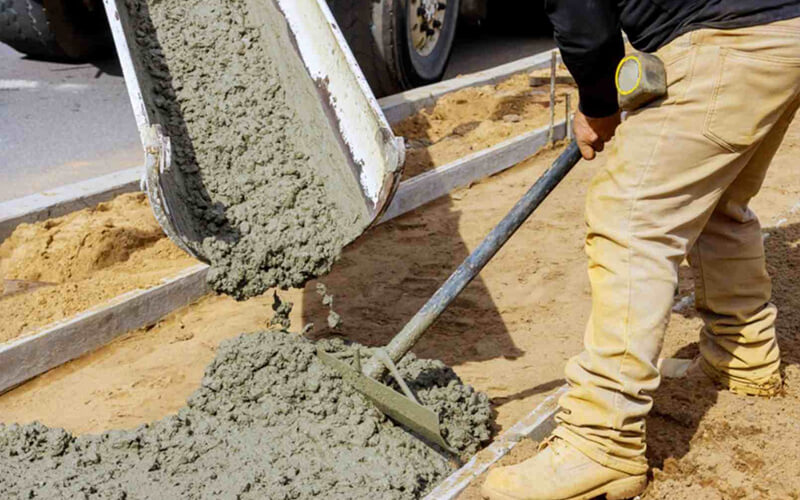
Safety is the foundation of every successful construction project. From residential buildings to large-scale infrastructure, ensuring structural integrity and long-term performance depends heavily on the quality of materials used. Among these materials, cement plays a critical role as the primary binding component in concrete. The quality of cement directly influences strength, durability, and overall structural reliability, making it a key consideration for safe construction practices.
Choosing and managing cement quality is not just about meeting minimum specifications. It requires a comprehensive understanding of performance characteristics, consistency, environmental compatibility, and application methods. When cement quality is properly evaluated and controlled, it significantly reduces the risk of structural defects, delays, and safety hazards.
Consistency in Cement Composition
Consistency is one of the most important aspects of cement quality. Cement with uniform chemical composition ensures predictable hydration and strength development. This consistency allows engineers and contractors to design mixes that perform reliably across different batches.
Inconsistent cement can lead to variations in concrete strength and behavior. These differences may create weak zones within the structure, compromising safety and increasing the likelihood of structural defects over time.
Strength Performance and Reliability
Cement quality directly affects the compressive strength of concrete, which is essential for load-bearing capacity. High-quality cement supports consistent strength development, ensuring that structures can safely carry the loads they are designed for.
Using cement that fails to meet strength expectations increases the risk of deformation, cracking, and structural failure. Reliable cement ensures that safety margins are maintained throughout the structure’s lifecycle.
Control of Setting Time
Setting time is a critical factor in construction safety and efficiency. Cement must provide sufficient working time for placement and finishing while also gaining strength at an appropriate rate. Proper control of setting time ensures smooth construction operations.
If cement sets too quickly, it may lead to incomplete compaction and weak bonding. If it sets too slowly, it can delay construction activities and expose concrete to environmental risks. Balanced setting behavior is essential for safe project execution.
Resistance to Environmental Conditions
Construction projects often face challenging environmental conditions such as moisture, temperature fluctuations, and chemical exposure. Cement quality determines how well concrete can resist these external factors.
High-quality cement contributes to dense, low-permeability concrete that protects reinforcement and internal structure. This resistance is crucial for maintaining safety in both short-term and long-term scenarios.
Durability and Long-Term Stability
Durability is closely linked to safety. Structures that deteriorate over time due to poor material quality become unsafe and require costly repairs. Cement quality plays a major role in ensuring long-term stability and resistance to wear.
Durable concrete maintains its strength and integrity even under continuous use and environmental exposure. This reliability reduces the risk of unexpected failures and enhances overall project safety.
Compatibility With Mix Design
Cement must be compatible with the overall concrete mix design, including aggregates, water content, and admixtures. Proper compatibility ensures that all components work together to achieve the desired performance.
Incompatible materials can lead to issues such as segregation, bleeding, or inconsistent strength. These problems not only affect quality but also pose safety risks during and after construction.
Quality Control and Testing Standards
Strict quality control and testing are essential for verifying cement performance. Regular testing ensures that cement meets required standards and performs consistently in real conditions.
Without proper testing, defects may go unnoticed until they affect structural performance. Implementing strong quality control measures helps identify issues early and maintain safe construction practices.
Storage and Handling Practices
Cement quality can deteriorate if storage and handling practices are not properly managed. Exposure to moisture, contamination, or prolonged storage can reduce its effectiveness.
Proper storage conditions preserve cement properties and ensure reliable performance. Maintaining quality from delivery to application is essential for achieving safe construction outcomes.
Impact on Reinforcement Protection
Cement quality influences the ability of concrete to protect steel reinforcement from corrosion. Dense cement paste creates a barrier that limits moisture and oxygen penetration.
When cement quality is poor, this protective barrier is weakened, increasing the risk of reinforcement corrosion. This can lead to structural damage and reduced safety over time.
Reducing Construction Risks and Defects
High-quality cement reduces the likelihood of common construction defects such as cracking, segregation, and low strength. Fewer defects mean fewer repairs and a lower risk of structural failure.
By minimizing these risks, contractors can ensure smoother project execution and maintain high safety standards throughout construction.
Lifecycle Safety and Cost Efficiency
Safe construction is not only about immediate performance but also about long-term reliability. Cement quality affects how structures perform over decades, influencing maintenance needs and safety levels.
Investing in quality cement reduces lifecycle costs by minimizing repairs and extending service life. This approach ensures both economic efficiency and sustained safety.
Conclusion: Cement Quality as a Safety Priority
Cement quality is a fundamental factor in ensuring safe construction projects. From strength and durability to environmental resistance and long-term performance, cement influences every aspect of structural safety.
By prioritizing consistent, high-quality cement and maintaining strict quality control, construction professionals can reduce risks and deliver reliable structures. Cement quality is not just a material consideration—it is a critical component of construction safety and success.