
Cement Performance Factors That Influence Concrete Durability
07.04.2026
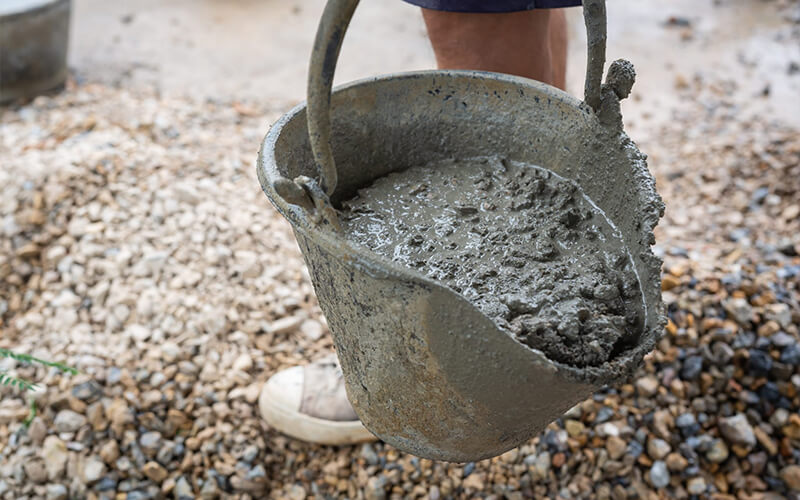
Concrete durability is a key requirement in modern construction, as structures are expected to perform reliably for decades under various environmental and loading conditions. Durable concrete resists deterioration, maintains strength, and minimizes maintenance needs over time. Among the many factors that influence durability, cement performance stands out as one of the most critical elements.
Cement is the binding agent that forms the core structure of concrete. Its performance determines how well concrete resists moisture, chemicals, temperature changes, and mechanical stress. Understanding the key cement performance factors that influence durability allows engineers and contractors to design and build structures that are both strong and long-lasting.
Strength Development and Stability
One of the primary performance factors is how cement contributes to strength development. Durable concrete requires consistent and reliable strength gain over time, ensuring that the structure can withstand loads and environmental stress.
High-quality cement provides stable strength development, reducing the risk of early deterioration and maintaining long-term performance.
Permeability and Microstructure Density
Permeability is a critical factor in durability, as it determines how easily water and harmful substances can penetrate concrete. Cement performance influences the density of the concrete microstructure.
Dense, low-permeability concrete prevents the ingress of moisture, chlorides, and chemicals. This protection is essential for preserving structural integrity and extending service life.
Hydration Behavior and Heat Control
The hydration process affects both strength and internal stability. Cement with controlled hydration behavior ensures uniform strength development and reduces the risk of thermal cracking.
Excessive heat generation during hydration can lead to internal stress and cracking, which compromise durability. Balanced hydration helps maintain structural integrity.
Chemical Composition and Resistance
Cement composition determines how concrete reacts to environmental exposure. Certain compounds improve resistance to chemical attack, while others may increase vulnerability.
Properly formulated cement enhances resistance to sulfates, chlorides, and other aggressive substances. This reduces the risk of chemical deterioration over time.
Consistency and Quality Control
Consistency in cement performance is essential for achieving uniform durability across a structure. Variations in cement properties can lead to uneven strength and durability.
Reliable cement ensures predictable behavior, allowing for better quality control and consistent long-term performance throughout the structure.
Resistance to Shrinkage and Cracking
Cracking is a major factor affecting durability. Cement performance influences shrinkage behavior and internal stress development, which are key contributors to crack formation.
High-quality cement helps reduce shrinkage and control cracking, preserving the integrity of the concrete and preventing moisture ingress.
Bond Strength With Aggregates and Reinforcement
Durability depends on how well concrete components work together. Cement performance affects bonding with aggregates and reinforcement, ensuring structural cohesion.
Strong bonding improves load transfer and reduces the likelihood of internal separation, enhancing overall durability.
Resistance to Environmental Exposure
Concrete structures are exposed to a wide range of environmental conditions, including temperature changes, humidity, and chemical exposure. Cement performance determines how well concrete can withstand these factors.
Durable cement supports concrete that remains stable under harsh conditions, reducing the risk of deterioration and extending service life.
Workability and Proper Compaction
Workability influences how effectively concrete can be placed and compacted. Cement performance affects the ease of mixing and placement, which in turn impacts durability.
Well-compacted concrete has fewer voids and a more uniform structure, improving resistance to environmental damage and mechanical stress.
Long-Term Performance Under Load
Durability is closely linked to how concrete performs under sustained and repeated loads. Cement performance affects creep and deformation behavior over time.
Concrete made with high-quality cement maintains its strength and shape under long-term stress, ensuring structural reliability.
Compatibility With Admixtures and Mix Design
Modern concrete mixes often include admixtures to enhance performance. Cement must be compatible with these materials to achieve desired durability characteristics.
Proper compatibility ensures that all components work together effectively, improving strength, workability, and resistance to environmental factors.
Conclusion: Cement Performance as a Key Driver of Durability
Cement performance is a fundamental factor in determining concrete durability. From strength development and permeability to chemical resistance and crack control, cement influences every aspect of long-term performance.
By selecting high-quality cement and understanding its performance characteristics, construction professionals can build structures that remain safe, durable, and efficient over time. Cement is not just a component—it is a key driver of lasting structural success.